April 26, 2024
Ceramics is an ancient art that has fascinated humanity for centuries. From crafting simple vases to intricate and sophisticated artworks, ceramics offers a wide range of processing techniques that allow creatives to express their vision uniquely. In this article, we’ll explore ten fundamental ceramic processing techniques that every enthusiast should know.
- Handbuilding: Handbuilding is one of the oldest techniques in ceramics processing. It involves manipulating clay with hands to create three-dimensional shapes. This technique offers great creative freedom and allows for the creation of unique and personalized pieces.
- Wheel Throwing: The potter’s wheel is an essential tool in ceramic production. With this technique, clay is shaped and molded while spinning on a wheel. This allows for creating uniform and symmetrical shapes such as vases, cups, and plates.
- Slip Casting: Slip casting involves pouring liquid clay into molds to create reproducible shapes in series. This technique is widely used in industrial ceramic production and mass production.
- Glazing: After the ceramic piece is formed and fired, glazing adds color and finish. Glazes are composed of minerals and oxides that melt and fuse during firing, creating a durable and decorative vitrified surface.
- Carving: Carving is a decorative technique that involves using tools to carve designs or patterns on the surface of the still-damp clay. This technique can be used to add details and textures to ceramic pieces.
- Plaster Molds: Plaster molds are used to reproduce complex and detailed shapes in ceramics. Clay is pressed into the mold, which absorbs moisture, allowing the ceramic piece to be removed once dried.
- Sculpting: Ceramic sculpture involves creating three-dimensional artworks that go beyond practical functionality. Artists can use various techniques, such as handbuilding, wheel throwing, and direct sculpting, to create unique and expressive artworks.
- Dry Finishing: Dry finishing is a technique performed after the ceramic piece is fired. It involves sanding and polishing the surface of the piece to achieve a smooth and glossy finish.
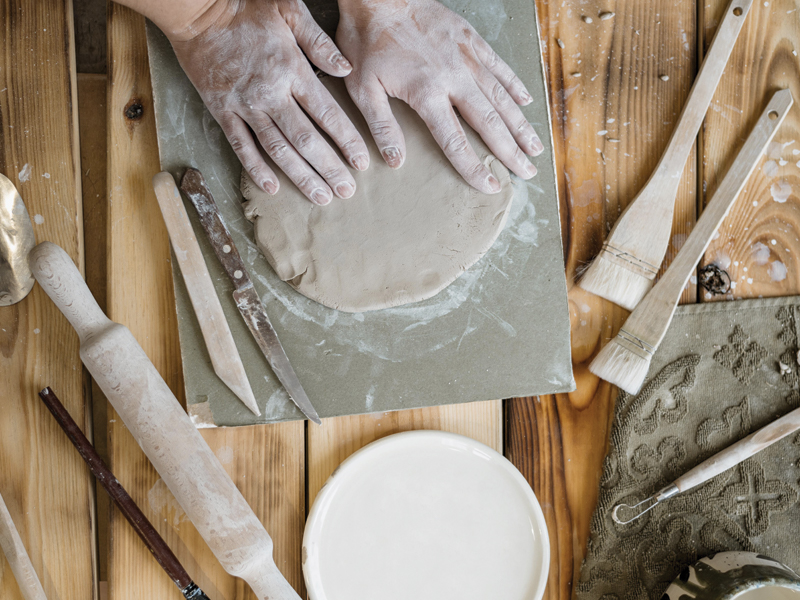
- Slab Building: Slab building involves creating flat clay shapes through the use of thin slabs. These slabs can be folded, cut, and assembled to create three-dimensional forms such as vases, plates, and boxes.
- Decals: Decals are images printed on special paper that can be transferred onto the surface of ceramics during firing. This technique allows for adding detailed and intricate designs to finished ceramic pieces.
In conclusion, these ten ceramic processing techniques are just a taste of the vast range of creative possibilities offered by this ancient craft. Experimenting with these techniques can lead to surprising discoveries and the creation of unique and personal artworks. Whether you’re a beginner or an expert, exploring the various ceramic processing techniques is a fascinating and rewarding journey worth undertaking.